1. Massive Reach & Audience Targeting
Digital marketing has revolutionized the way events reach their audiences. Instead of being limited to local promotion such as posters, mailers, or physical banners, organizers can now reach millions of people in just a few seconds. This shift has made digital marketing the most efficient and widespread tool for event visibility. Platforms like Facebook, Instagram, LinkedIn, and Google Ads allow you to tailor your promotions according to the exact profile of your audience, increasing the quality of attendees rather than simply increasing numbers.
With digital tools, you don’t just promote an event—you strategically reach people who are most likely to attend, engage, and convert. This level of precision was never possible with traditional advertising.
Benefits of Digital Targeting:
-
Reach people by their interests, such as business, technology, weddings, entertainment, fitness, or startups.
-
Filter by location, allowing you to promote city-wise, state-wise, or globally.
-
Reach professionals by their role, such as CEOs, founders, students, designers, or marketers.
-
Show ads only to the audience most likely to buy tickets or register.
2. Far More Affordable Than Traditional Advertising
Traditional marketing methods—newspaper ads, radio spots, hoardings, brochures—are expensive and often unpredictable. They do not guarantee that the right people will see your advertisement. This is one of the biggest reasons event organizers are shifting toward digital marketing, which offers better results even with smaller budgets.
Digital promotions allow event planners to run hyper-targeted campaigns where you pay only when a user clicks or engages. This makes the entire process budget-friendly and highly measurable. You can increase or decrease your spending based on results, something that offline marketing cannot offer.
Why digital marketing saves money:
-
No printing or physical distribution costs.
-
You pay only for actual clicks, impressions, or conversions.
-
You can run extremely low-budget campaigns and still achieve high reach.
-
Easy to pause, modify, or boost campaigns anytime.
-
Higher ROI compared to physical promotions.
For event organizers, this cost-efficiency makes digital marketing the most popular and financially smart choice.
3. Real-Time Engagement That Builds Excitement Before the Event
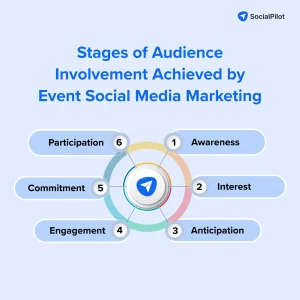
One of the most powerful advantages of digital marketing is the ability to engage audiences before the event actually happens. In the current world, people love to see behind-the-scenes moments, countdowns, speaker announcements, décor teasers, and live preparation updates. These elements create a sense of curiosity and emotional connection.
When people repeatedly see content related to your event, they begin to feel involved in the journey. This emotional engagement increases the likelihood of them registering, attending, or spreading the word.
How digital marketing builds hype:
-
Countdown reels that create anticipation.
-
Sneak-peek videos of stage setup, décor, and rehearsals.
-
Interactive Q&A sessions with speakers or artists.
-
Contests and giveaways to encourage audience participation.
-
Live streaming of behind-the-scenes activities.
This real-time engagement transforms a simple event into a shared experience, long before the event day arrives.
4. Data-Driven Insights for Smart Event Planning
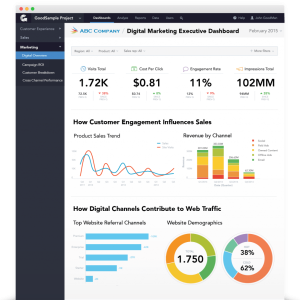
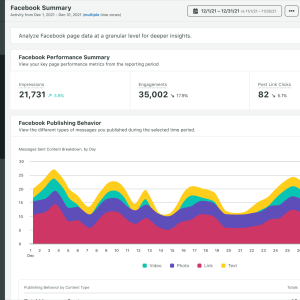
In the past, event organizers had no way to measure which promotional tactics worked or failed. With digital marketing, everything becomes measurable. You know exactly how many people have seen your ad, how many clicked, how many registered, and what type of content performed the best.
Analytics tools provide deep insights into audience behavior and preferences, helping organizers plan better future events. This improves not only marketing efficiency but also event experience design.
Data that digital marketing provides:
-
Total reach and impressions
-
Audience demographics (age, gender, location)
-
Click-through rates and sign-up conversions
-
Engagement metrics (likes, shares, comments)
-
Best-performing content formats
-
Peak activity times
These insights allow organizers to improve campaigns instantly, predict attendance, and understand what their audience truly wants.
5. Creates a Strong and Recognizable Event Brand
Digital marketing helps transform events into strong brands. A successful event is not just about one good night—it’s about the identity it builds and the connection it maintains with its audience. Through consistent visuals, colors, themes, and messaging, your event becomes instantly recognizable.
Branding builds trust. When people see consistent promotions with professional designs, they feel confident about attending. This branding also improves sponsor trust and encourages long-term partnerships.
Brand-building elements created through digital marketing:
A unified color palette and visual language
Branded templates for posts, stories, and reels
Unique typography and creative layouts
Memorable highlight reels and teaser videos
Consistent messaging and theme-based graphics
Well-crafted digital branding helps your event stand out in a competitive market.